Source Quiet Cleanroom Plastic Cable Carrier for CNC, Vehicles, and Washers
Compare 30 listings for quiet cleanroom plastic cable carrier solutions designed for CNC machine tools, vehicle transporters, and washing systems. These bridge-style carriers protect moving wires with customizable dimensions and CE certification; compare the available evidence and request quotations based on your requirements.
Key considerations
Products List






Comprehensive Sourcing Guide
Quiet Cleanroom Plastic Cable Carrier Sourcing Guide
Procuring a quiet cleanroom plastic cable carrier requires distinguishing between general industrial drag chains and units specifically engineered for low-noise, low-particulate environments. The observed market data indicates a wide variance in material composition, with listings explicitly citing both plastic and steel constructions. Buyers must verify that the selected unit utilizes high-performance engineering plastics rather than standard polymers to ensure the "quiet" operation and cleanroom compatibility required for sensitive machinery.
The functional scope extends beyond simple wire protection to include the management of moving cables in dynamic CNC cutting machines and vehicle transporters. While some listings highlight bridge or totally enclosed structures, the specific acoustic and particulate performance for cleanroom applications is not universally guaranteed by the standard product descriptions. Sourcing teams must scrutinize individual product attributes to confirm that the carrier's design minimizes vibration and friction noise, which are critical for maintaining the integrity of a controlled environment.
Product Scope and Observed Listing Signals
Market listings for cable drag chains frequently display a broad price range from 0.9 to 1230 USD, reflecting significant differences in size, material density, and customization levels. The observed minimum order quantities vary from single items to 100 units, with some suppliers specifying a 10-meter minimum for specific chain configurations. Buyers should treat these price and volume signals as indicative of the specific model selected rather than a baseline for all quiet cleanroom solutions, as specialized low-noise variants often command higher unit costs.
Product attributes reveal a mix of standard and customized specifications, with model numbers ranging from generic identifiers like "Cable chain" to specific series such as TLW, TLM, and TLJ. The presence of "Customized" as a standard attribute suggests that many suppliers offer tailored dimensions and link designs to fit unique machinery layouts. However, the "Quiet" characteristic is not explicitly listed as a standard feature in the provided data, requiring buyers to request specific acoustic testing or design details to confirm the carrier meets cleanroom noise thresholds.
Technical Specifications to Verify
When evaluating technical performance, the temperature range of 40 to 130 degrees Celsius is a critical parameter observed in several listings, ensuring the carrier can withstand the thermal conditions of industrial environments. Buyers must verify that the specific plastic formulation maintains its structural integrity and low-noise properties across this entire spectrum, as standard plastics may become brittle or noisy under extreme thermal stress. The inside dimensions, such as 35100 or 62175, must be matched precisely to the cable bundle size to prevent excessive friction that generates unwanted sound.
The structural design, often described as bridge or totally enclosed, plays a vital role in containing debris and reducing operational noise. While some products list a weight of 3 kg or 15 kg, the weight alone does not indicate the acoustic dampening capabilities required for cleanroom settings. Procurement teams should request detailed engineering drawings to confirm that the link geometry and hinge mechanisms are designed to minimize impact noise during high-speed movement, ensuring the carrier operates silently alongside sensitive equipment.
Compliance and Safety Documentation
Certification status is a primary indicator of quality assurance, with CE and ISO 9001 appearing frequently in the product data. These certifications suggest that the manufacturing process adheres to specific safety and quality management standards, which is essential for equipment used in regulated cleanroom environments. However, the presence of these marks does not automatically guarantee compliance with specific cleanroom particulate or acoustic standards, necessitating a review of the actual test reports provided by the supplier.
Machinery test reports are listed as available for certain models, offering a tangible method to verify performance claims before purchase. Buyers should insist on reviewing these reports to confirm that the carrier has been tested for noise levels and material shedding, which are critical for maintaining a cleanroom classification. The warranty periods vary from 6 months to 2 years, and a longer warranty often correlates with higher confidence in the product's durability and consistent performance in demanding applications.
Cost Drivers and Commercial Terms
The final cost of a quiet cleanroom cable carrier is heavily influenced by the degree of customization required, as the data shows "Customized" as a recurring attribute for models and standards. Customizing the bridge structure, link material, or overall dimensions to fit specific machinery layouts will inevitably increase the unit price compared to standard off-the-shelf items. Buyers must balance the need for a perfect fit against the budget constraints, understanding that specialized low-noise designs often require more complex manufacturing processes.
Commercial terms such as packaging and shipping logistics also impact the total cost of ownership. Listings indicate that products are typically packed in cartons or carton boxes, which is standard for protecting the chain during transit. However, for cleanroom applications, the packaging must ensure the carrier arrives free of contaminants and dust. Buyers should clarify if the supplier offers specialized cleanroom packaging or if additional cleaning procedures are required upon receipt to maintain the integrity of the controlled environment.
Supplier Qualification and Quality Control
Supplier qualification should focus on the origin and core component quality, with Hebei, China, identified as a primary place of origin for these products. The presence of core components like gears and cable chain links suggests a complex assembly process that requires precise quality control to ensure smooth, quiet operation. Buyers must verify that the supplier has a robust quality management system in place, as evidenced by the ISO 9001 certification, to consistently produce carriers that meet strict acoustic and dimensional tolerances.
Quality control checks should extend beyond the final product to include the raw material sourcing and manufacturing processes. The observation of both plastic and steel materials in the listings highlights the need to confirm the specific polymer grade used for the cleanroom version. Suppliers should provide documentation on the material's resistance to wear and its ability to maintain low friction over time, as degraded materials can lead to increased noise and particulate generation, compromising the cleanroom environment.
Long-Term Procurement Checks
Long-term procurement success depends on verifying the warranty terms and the availability of replacement parts for the specific cable carrier model. With warranty periods ranging from 6 months to 2 years, buyers should negotiate terms that cover potential failures in the hinge mechanisms or structural integrity, which are common points of wear in drag chains. A comprehensive warranty ensures that the supplier stands behind the product's ability to maintain quiet operation and structural stability over an extended period.
Regular performance monitoring is essential to ensure the carrier continues to meet cleanroom standards throughout its lifecycle. Buyers should establish a schedule for inspecting the chain for signs of wear, noise increase, or particulate shedding, which could indicate the need for maintenance or replacement. By maintaining a proactive approach to asset management, organizations can prevent unexpected downtime and ensure that the cable management system remains a reliable component of their quiet, cleanroom machinery.
FAQs
What certifications are available for plastic cable drag chains?
CE certification is available for these cable carriers. Some listings also include ISO 9001 standards. These certifications ensure compliance with safety and quality requirements for industrial applications. Buyers should verify specific documentation with suppliers to confirm the exact standards met by the product batch.
Can these cable chains be customized for specific machines?
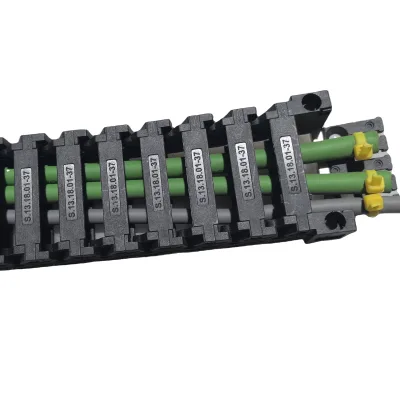
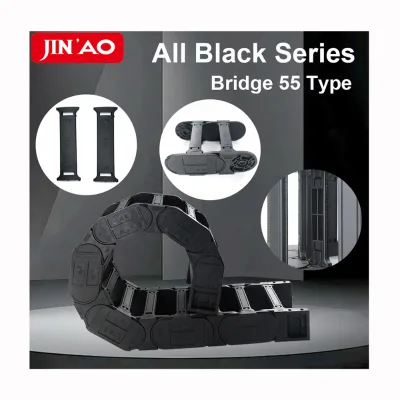
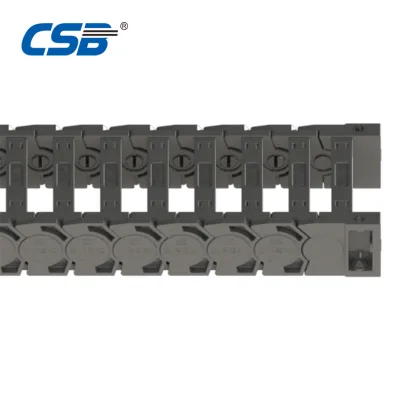
Yes, customization is available for plastic cable drag chains. Buyers can request specific models like TLW or TLM to fit their machinery. The structure can be bridge or totally enclosed. Customized dimensions and logo printing options allow for precise integration into CNC cutting machines and other automated systems.
What is the typical temperature range for plastic cable carriers?
The operating temperature range is typically 40 to 130 degrees Celsius. This range ensures reliable performance in various industrial environments. The plastic material maintains structural integrity within these limits. Buyers should confirm the exact temperature specifications with the supplier to ensure compatibility with their specific operational conditions.
How is the warranty structured for plastic cable chains?
Warranty periods vary, with some products offering two years of coverage. Other listings may provide six months of warranty. The warranty typically covers core components like gears or links. Buyers should review the specific warranty terms provided by the manufacturer to understand the scope of protection and claim procedures.
What are the common packaging methods for cable drag chains?
Products are commonly packed in cartons or carton boxes. This packaging protects the cable chains during shipping and storage. The weight per unit varies, with some items weighing around 15 kg. Buyers should confirm packaging details with suppliers to ensure safe delivery and efficient handling at their facility.
Which applications are suitable for plastic cable carriers?
These cable carriers are suitable for CNC machine tools and vehicle transporters. They protect moving cables in washing systems and other automated equipment. The bridge or totally enclosed structure safeguards wires from damage. Buyers should match the cable chain specifications to their specific machinery requirements for optimal performance.